
Viewing 463 - 468 out of 566

Veterinary Topics
Newsletter Library
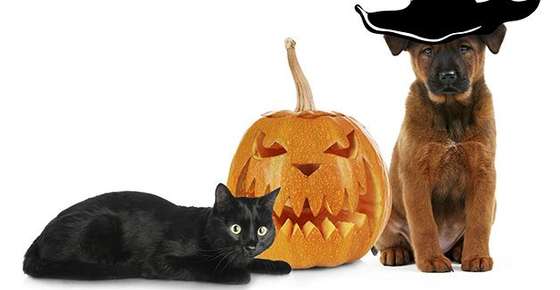
Prepare Your Pets for Halloween
Halloween is right around the corner! Whether you are planning on participating in the spookiest night of the year —Halloween — it is likely that people in your neighborhood are. This means that the streets will be filled with loud noises, new faces and all manner of things that can stress out your
Newsletter Library
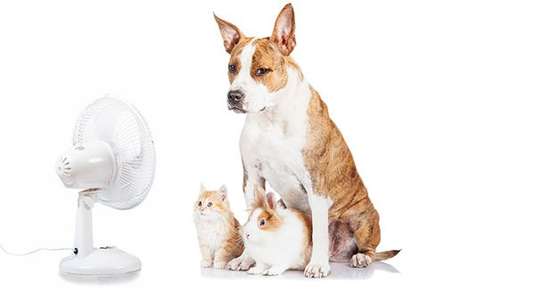
Keeping Pets Cool This Summer
For humans, that means better beach days and much needed vacations, but for your animals, the warmer weather can be dangerous. Even the healthiest pets can suffer from dehydration and heat exhaustion, so it’s important to take proper precautions and protect your pets from overheating. By following

Newsletter Library
Holiday Hazards for Pets
The holidays are fun, even for pets, but the season brings added danger for animal companions. Learn to recognize and manage holiday hazards to keep your pet safe during the festivities. Tinsel Tinsel is attractive, especially to cats. Tinsel is not toxic but consuming tinsel can cause serious harm
Newsletter Library
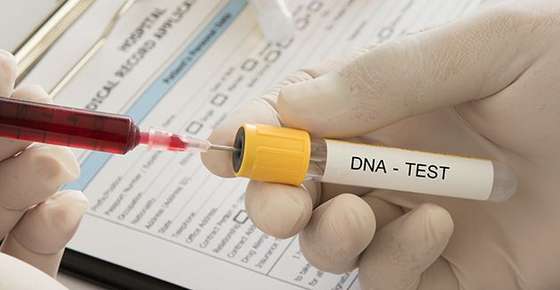
New Uses for Animal DNA
Advances in science have enabled the decoding of several animals' DNA. Knowing the genome of a species has enabled medical professionals to detect some diseases that have a genetic basis. But it also has other uses, even in the criminal justice system. The Veterinary Genetics Laboratory Forensic Unit

Newsletter Library
White House Pets
A surprising issue that has arisen in the American political arena is not foreign policy, but rather which breed of dog the Obama's chose to join their family in the White House. Barack Obama has announced that his family narrowed their breed choices to a Labradoodle, a mix between a Labrador retriever

Newsletter Library
The Incredible Sense of Smell in the Dog
There are many ways in which people and dogs are similar, but an area in which dogs are much superior is in their olfactory ability, or their sense of smell. Dogs can smell 100,000 times better than humans. In tests, dogs have been able to detect a chemical in a solution diluted to 1 to 2 parts per trillion.